ICE arrests are rising. What can an immigration psychological evaluation document?
An immigration psychological evaluation can document how detention, family separation, or prolonged uncertainty affects a person's health and daily life. The report connects those changes to an individual history and the evidence available. For families in New Mexico, we begin with what has happened in their own household and the question their attorney has asked us to evaluate.

What does the recent reporting show?
ICE arrests increased during the summer of 2026. The Deportation Data Project's September analysis found that 27% of July interior arrests leading to detention bookings involved people with criminal convictions. That category matters: people without convictions may still have pending charges. These figures describe arrests followed by detention, rather than everyone held on a particular day. Deportation Data Project
ABC7 reported a nearly 70% year-over-year rise in January-to-July San Francisco area arrests. DHS challenged the methodology. ABC7
The individual accounts cover earlier events. In March, KFF Health News reported a father's arrest during reunification efforts; HHS cited child protection. April reporting followed a Venezuelan family's departure after detention and an Iranian asylum seeker's prolonged custody in Texas and New Mexico. Each account describes particular people and circumstances. KFF Health News, The Texas Tribune, El Paso Matters, republished by The Texas Tribune
Has the census count already changed?
No. The September 10 proposal would exclude noncitizens without lawful permanent residence from counts used to allocate House seats among states, while retaining green card holders. It also proposes removing race and ethnicity questions from the decennial census. These are proposed changes, with comments due October 13, 2026. Federal Register, NPR reporting via KPBS
The proposal concerns population counting. An evaluation asks a different question: if someone reports that this news has affected their sense of security or their daily routine, what has changed? We document that account and assess its significance without treating a proposal as an event that has already occurred.
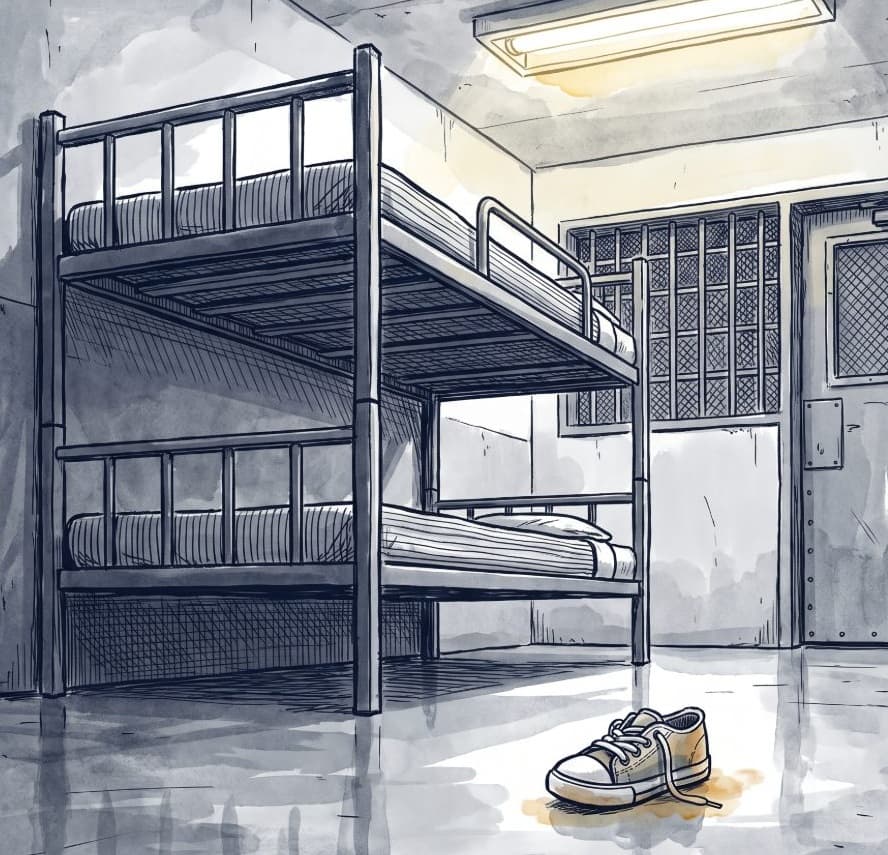
What can we document for an individual family?
We can examine changes in sleep, concentration, health, and the ability to manage daily responsibilities. Timing matters. An interview should establish when a difficulty began, how often it occurs, and what was happening before it started. Available records and standardized assessments help us evaluate the account and explain what supports our findings.
If a relative has been detained, we ask how the household is managing now. Who is taking the children to school? Has someone reduced work hours to provide care? Has a medical appointment been missed? These are examples of questions we may ask, not assumptions about what every family experiences. The answers need dates and context.
We also distinguish a current separation from the prospect of a longer one. A household may have arranged temporary help without knowing whether it can continue. Another family may have support that remains dependable. Both belong in an impartial assessment. The report should explain the person's difficulties alongside the resources still available to them.
For an adult hardship evaluation, we use a clinical interview and standardized measures such as the PHQ-9 and GAD-7. We select additional instruments when the history and referral question call for them. A questionnaire result needs to be read with the interview and the records; it cannot establish the cause of a symptom on its own. Our Clinical Lead reviews and co-signs the completed report.
News coverage gives context. Findings about a person come from that person's evaluation. We do not diagnose the people in these articles or assume that a similar event will have the same effect on someone else.
Where our lane ends. The attorney identifies the immigration relief under consideration and the legal question the evidence needs to address. We provide the psychological evaluation. Advice about hearings, detention, travel, or departure belongs with counsel. An evaluation cannot confer immigration status, guarantee release, or promise that a waiver or another application will be approved.
Based in New Mexico, we provide these evaluations nationwide by secure video. Families and referring attorneys can read about our immigration evaluation services before arranging a referral.
Related evaluations
Questions about the evaluation
- Can we arrange an evaluation before a relative is detained?
- Yes. An evaluation can document current circumstances and concerns about a possible separation when relevant to the attorney's referral. The interview records what the person is experiencing at the time. If circumstances later change, the attorney and evaluator can discuss whether updated information or an additional assessment is needed.
- Does everyone in a family need an evaluation?
- No. The person evaluated depends on the case type and the referral. In a hardship case, the focus is the qualifying relative identified for that filing. In a VAWA evaluation, it is the survivor. We confirm the referral question with the attorney before deciding the scope of the assessment.
Sources
- Deportation Data Project, September 2026 analysis"at 27%".
- ABC7, August 29, 2026"nearly 70%".
- KFF Health News, March 24, 2026"to reunite".
- The Texas Tribune, April 16, 2026"they're leaving".
- El Paso Matters via The Texas Tribune, April 6, 2026"held for months".
- Census Bureau proposal, September 10, 2026"permanent residents".
- NPR via KPBS, September 9, 2026"proposed rule".
Disclaimer. AI was used for generating neutral illustrative images that complement and flow with the article.
General information about immigration policy and the psychological evaluation process. Not legal advice, and not a substitute for consultation with an immigration attorney.